





Luxury handbags are not all created equal when it comes to resale value. Whilst most designer bags lose around 30% of their value when purchased new, certain classic styles from Hermès, Chanel, and Louis Vuitton can retain 80–110% of their retail value in the UK secondary market. Condition, rarity, colour, and documentation all play a decisive role in how well a bag holds its worth. Understanding what truly drives resale value allows you to make smarter pre-loved purchases — whether you're buying purely for enjoyment or considering long-term value retention.
What Determines Luxury Handbag Resale Value?
Luxury handbag resale value is influenced by eight core factors: brand reputation, condition, rarity, timeless design, size desirability, material quality, colour choice, and authentication documentation. Wider market forces — including retail price increases and shifting fashion demand — also play an important role in how well a bag holds its value over time.
Understanding Resale Value in the UK Market
Luxury handbag resale value refers to the percentage of a bag’s original retail price that it can command on the secondary market. In the UK, strong-performing brands typically retain between 60–90% of their value, whilst certain Hermès and Chanel pieces may exceed retail due to scarcity and sustained demand.
Why Resale Value Matters When Buying Pre-Loved
Understanding resale value protects your investment — even if you never plan to sell. It helps you distinguish between genuine value and pieces that appear attractively priced but are unlikely to retain demand.
For many UK buyers, resale makes luxury more accessible. If a well-chosen piece allows you to recover 80–90% of your purchase price later, you’re effectively enjoying the bag at a significantly reduced long-term cost. This ability to rotate collections through resale has reshaped how many approach luxury buying.
Most designer handbags depreciate around 30% immediately when purchased new, similar to buying a new car. Purchasing pre-loved often allows buyers to avoid that initial drop, entering at a more stable point in the value curve.
However, not all bags behave the same way. Whilst many styles continue to decline over time, certain classics — particularly from Hermès, Chanel, and Louis Vuitton - have demonstrated remarkable stability, and in some cases appreciation, depending on demand and condition.
Being aware of where a bag sits on this spectrum allows you to approach your purchase with clarity rather than assumption.
The 8 Key Factors That Determine Resale Value
1. Brand Reputation and Heritage
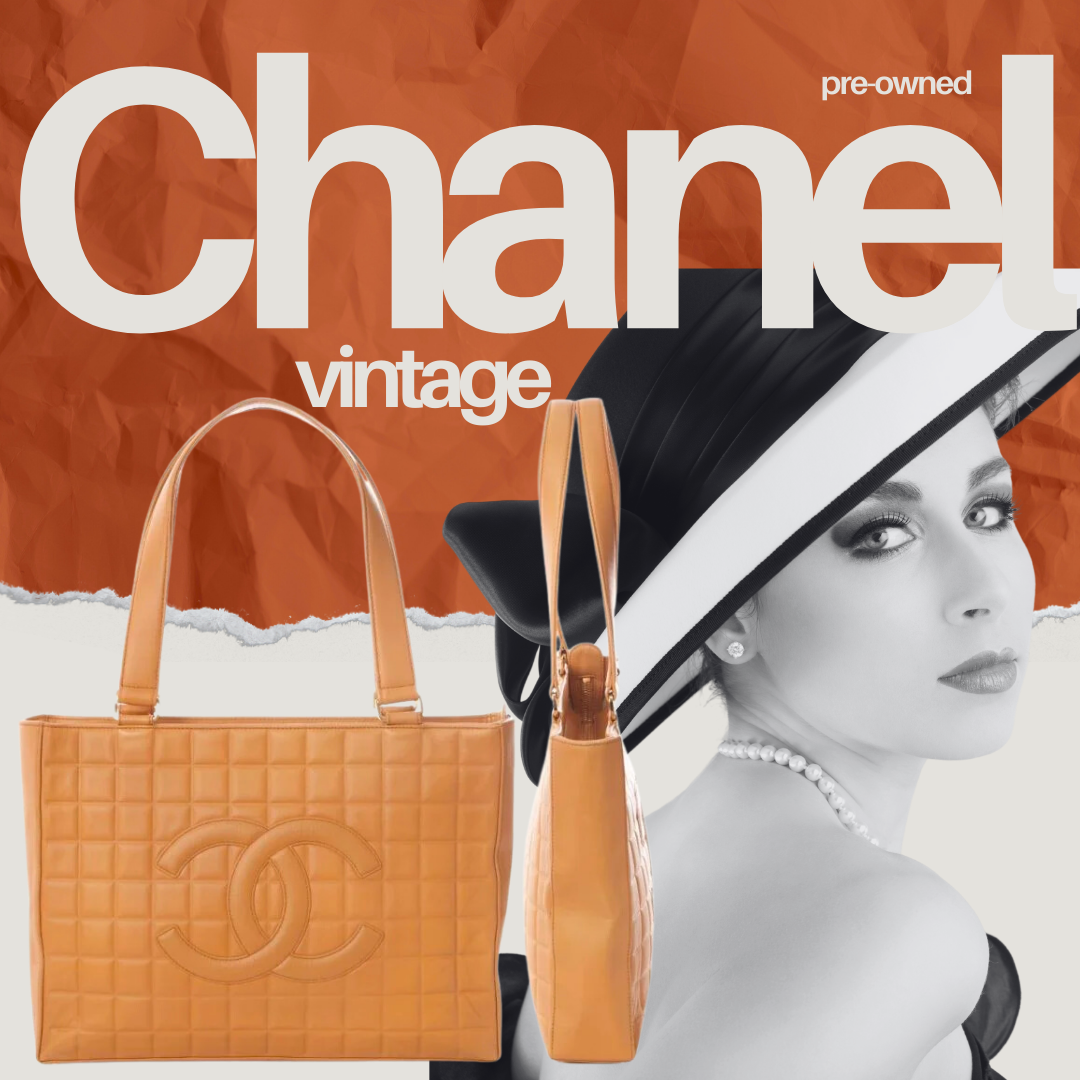
The brand name matters enormously in resale. Hermès, Chanel, and Louis Vuitton consistently dominate the secondary market, often achieving retention rates of 85–110% of retail value. Hermès in particular can exceed original retail due to restricted supply, long waiting lists, and sustained global demand. Other strong performers include Goyard, Dior, Fendi, and Bottega Veneta, though typically with slightly lower retention levels.
Brands that frequently appear on sale or in outlet channels tend to underperform in resale, regardless of craftsmanship. Demand, heritage, and supply discipline ultimately drive long-term value in the UK market.
Why this matters:
- Established heritage increases buyer confidence
- Restricted supply supports price stability
- Consistent craftsmanship sustains long-term demand
- Outlet-heavy brands typically weaken resale strength
Impact level:
Very High.
Quick tip:
When buying for resale strength, prioritise brands with controlled distribution and proven secondary market demand.
2. Condition is Everything
After brand, condition is the most influential factor in determining resale value. The difference between “excellent” and “good” condition can mean hundreds — sometimes thousands — of pounds. Buyers consistently pay premiums for pieces that appear close to new. A Chanel Classic Flap in pristine condition may achieve 90% of retail, whilst the same bag with visible wear could fall to 60–70%.
Common issues that reduce value include corner and edge wear, interior staining, hardware tarnishing, leather cracking, structural sagging, persistent odours, and visible repairs. Even minor imperfections can materially affect pricing, particularly for high-demand models.
Why this matters:
- Well-preserved pieces command stronger resale premiums
- Condition directly influences buyer trust and perceived authenticity
- Structural integrity affects long-term desirability
- Minor cosmetic flaws can create disproportionate price reductions
Impact level:
Very High
Quick tip:
Store properly, address marks early, and consider professional cleaning before resale — presentation significantly affects outcome.
3. Rarity and Exclusivity
Scarcity often drives demand. Limited edition releases, special collaborations, and discontinued styles can achieve remarkable resale values — in some cases exceeding their original retail price. Bags may be rare because they were produced in small quantities, such as Hermès special orders or limited seasonal drops, or because they became scarce over time after being discontinued.
The Fendi Baguette, for example, saw resale values rise during the Y2K revival. Louis Vuitton’s artist collaborations, including Stephen Sprouse prints, now command strong secondary market prices. However, not all limited editions perform well. Pieces tied too closely to short-lived trends often struggle once demand fades. The strongest performers combine scarcity with timeless design.
Why this matters:
- Limited supply can create sustained pricing pressure
- Discontinued classics often gain renewed interest over time
- Trend-driven scarcity is rarely long-lasting
- Rarity has the greatest impact when paired with enduring design
Impact level:
High
Quick tip:
Prioritise rarity within established, timeless silhouettes rather than purely trend-based limited editions.
4. Style: Timeless vs Trendy
The distinction between classic and trend-driven design can significantly influence long-term resale performance. Timeless styles — such as the Chanel Classic Flap, Louis Vuitton Speedy, or Hermès Birkin — have remained largely unchanged for decades. Their clean lines, minimal embellishment, and versatility allow them to transcend seasonal shifts in fashion.
By contrast, trend-led designs often experience sharp rises in popularity followed by equally sharp declines. Whilst these pieces may command strong resale prices during peak demand, their long-term value retention is less predictable. Styles tied to specific cultural moments or short-lived aesthetics typically see faster depreciation once interest wanes.
Why this matters:
- Classic silhouettes attract consistent multi-year demand
- Trend-driven designs are more vulnerable to fashion cycles
- Versatility across decades supports resale stability
- Overly seasonal detailing can limit long-term buyer interest
Impact level:
High
Quick tip:
If resale value is a priority, favour established silhouettes over highly trend-dependent designs.
5. Size Matters More Than You Think
Within the same style, size can materially influence resale performance. Smaller formats have performed particularly well in recent years, with models such as the Hermès Mini Kelly often achieving strong secondary market demand. Likewise, certain smaller versions of classic silhouettes have outperformed their larger counterparts.
However, desirability varies by model. For practical styles like the Louis Vuitton Neverfull, medium sizes tend to remain most popular due to everyday usability. In contrast, specific smaller Hermès Birkin sizes have become increasingly sought after despite earlier perceptions of limited practicality.
Extremely large bags, unless part of an enduring classic line, typically struggle to maintain strong resale value as consumer preferences shift toward more versatile proportions.
Why this matters:
- Size influences both practicality and collectability
- Demand often concentrates around specific “sweet spot” dimensions
- Smaller formats have shown stronger recent performance
- Oversized styles may face reduced buyer pools
Impact level:
Moderate to High
Quick tip:
Research which size within a model historically performs best before purchasing with resale in mind.
6. Materials and Craftsmanship
Material choice significantly influences resale value, particularly within heritage houses. For Hermès, leather type can materially affect demand; Epsom and Togo are often favoured for their structure and durability, whilst Clemence and Taurillon remain popular for their texture and finish.
Exotic leathers — including crocodile, alligator, python, ostrich — can command substantial premiums when authentic and well maintained. However, condition is closely scrutinised, as these materials are more susceptible to visible wear.
Canvas styles generally retain value less consistently than leather, though Louis Vuitton’s coated canvas is a notable exception due to its durability and recognisability. Hardware finish also plays a role; gold hardware tends to attract the broadest demand, and visible tarnishing or scratches can affect pricing.
Why this matters:
- Material durability affects long-term desirability
- Certain leathers consistently outperform others
- Exotics can command premiums when preserved
- Hardware condition influences buyer perception
Impact level:
Moderate to High
Quick tip:
Prioritise durable materials and maintain hardware carefully to protect resale value.
7. Colour Choices
Colour plays a meaningful role in resale performance. Neutral tones consistently attract the broadest buyer demand. Black remains the safest choice across most brands and styles, whilst beige, tan (including Hermès “Gold”), and grey tones such as “Etoupe” have demonstrated steady secondary market appeal.
Darker shades like navy, burgundy, and brown often retain value well, provided the condition is strong. Lighter colours, including white and cream, can perform strongly but require near-impeccable care, as visible marks significantly reduce desirability.
Brighter or highly seasonal colours are more variable. Whilst certain shades may surge during specific fashion moments, long-term resale strength is less predictable unless the piece is both rare and part of an established classic model.
Why this matters:
- Neutrals attract a wider buyer pool
- Trend-led colours are more volatile
- Condition impacts lighter shades more heavily
- Timeless tones offer greater long-term stability
Impact level:
Moderate
Quick tip:
If resale value is a priority, favour versatile neutral shades over trend-driven colour releases.
8. Authentication and Provenance
Proving a handbag’s authenticity is non-negotiable in the resale market. Original purchase receipts provide the strongest assurance, confirming legitimacy, age, and initial retail price. Authenticity cards, serial numbers, and date codes further support verification and help establish provenance.
Original packaging — including dust bags, boxes, and care booklets — can enhance buyer confidence and may add incremental value. Whilst these elements alone do not determine pricing, complete documentation often distinguishes comparable listings.
For pre-loved purchases, authentication by recognised UK resellers adds an additional layer of security. Clear grading of condition and transparent verification processes help protect both buyer and seller.
Why this matters:
- Authenticity directly impacts resale trust and pricing
- Complete documentation strengthens buyer confidence
- Provenance supports long-term collectability
- Verified authentication reduces transaction risk
Impact level:
Very High
Quick tip:
Retain all original documentation and purchase from authenticated sources to safeguard long-term resale value.
Summary: Key Factors Influencing Luxury Handbag Resale Value
| Factor | Impact Level | Quick Consideration |
|---|---|---|
| Brand Reputation & Heritage | Very High | Prioritise houses with controlled supply and sustained secondary market demand. |
| Condition | Very High | Preserve structure and address wear early to protect pricing. |
| Rarity & Exclusivity | High | Scarcity performs best when paired with timeless design. |
| Style (Timeless vs Trendy) | High | Established silhouettes tend to retain value more consistently. |
| Size | Moderate to High | Research which size within a model attracts strongest demand. |
| Materials & Craftsmanship | Moderate to High | Durable leathers and well-maintained hardware support resale strength. |
| Colour | Moderate | Neutral shades typically attract the broadest buyer pool. |
| Authentication & Provenance | Very High | Retain documentation and prioritise verified authenticity. |
Additional Factors Influencing Value
Market Demand and Fashion Cycles
- Social media visibility and celebrity influence can create temporary spikes in resale demand.
- Fashion revivals, such as renewed interest in late-1990s and early-2000s styles, can significantly lift secondary market prices.
- Cultural moments often increase short-term desirability for specific models or colours.
- Demand tends to concentrate around recognisable silhouettes during trend cycles.
- Trend-driven increases are rarely permanent; classic designs typically maintain stronger long-term stability.
- Resale performance often reflects broader shifts in consumer behaviour and buying sentiment.
Retail Price Increases
- Regular retail price increases can indirectly strengthen resale value.
- When new retail prices rise, previously purchased bags appear comparatively better value.
- Significant retail jumps can support higher secondary market pricing.
- Established brands that implement structured price increases tend to reinforce long-term value retention.
- Buyers often compare resale pricing directly against current boutique pricing.
- Price strategy at retail level can influence perceived investment potential.
Retail Price Increases
- Regular retail price increases can indirectly strengthen resale value.
- When new retail prices rise, previously purchased bags appear comparatively better value.
- Significant retail jumps can support higher secondary market pricing.
- Established brands that implement structured price increases tend to reinforce long-term value retention.
- Buyers often compare resale pricing directly against current boutique pricing.
- Price strategy at retail level can influence perceived investment potential.
Care History
- Proper storage in dust bags and controlled environments helps preserve structure and finish.
- Avoiding prolonged exposure to sunlight, humidity, and moisture protects material integrity.
- Preventing colour transfer and interior staining maintains presentation quality.
- Regular conditioning supports leather longevity.
- Professional cleaning before resale can enhance buyer confidence.
- Poor care history can materially reduce resale appeal, even if the bag is structurally sound.
How to Protect Your Handbag's Resale Value
To maintain your handbag's value:
-
Store properly: Use dust bags, avoid heat and humidity, stuff with acid-free tissue to maintain shape, never store in plastic
-
Keep documentation: Save receipts, authenticity cards, and original packaging
-
Be mindful of contents: Avoid pens that might leak, uncased makeup, perfume, and hand cream
-
Address issues quickly: Treat stains immediately, have tarnishing hardware addressed
-
Use professional care: Specialist cleaning and conditioning preserves condition
-
Protect from elements: Avoid rain, keep bags off floors, watch for denim colour transfer on light bags
-
Rotate your collection: Prevents any single piece from being overworn
Red Flags That Reduce Value
Watch for these issues:
-
Missing documentation (can reduce value by 10-20%)
-
Non-original repairs or replacement hardware
-
Significant structural damage (torn leather, broken zips, collapsed structure)
-
Persistent odours (smoke, perfume, mustiness)
-
Questionable authentication
-
Extreme wear (heavily worn corners, significant scratches, peeling leather)
-
Alterations to the original design
Making Informed Pre-Loved Purchases
Balance investment thinking with personal joy. The "best" handbag is one you'll actually use and love.
Research current resale prices before committing to a purchase. Comparing listings across established resale platforms provides a realistic view of market expectations and helps distinguish fair pricing from inflated valuations.
When evaluating a pre-loved handbag, consider:
- Current secondary market pricing across comparable listings
- Whether the model is considered a classic or trend-driven style
- Condition grading and visible wear
- Completeness of documentation and original packaging
- Brand performance within the UK resale market
Not all designer handbags are strong financial investments — and not every purchase needs to be. Many pieces will naturally depreciate, which is entirely acceptable if they align with your personal style and intended use.
Buying pre-loved often allows you to bypass the initial retail depreciation that occurs when purchasing new, entering the resale market at a more stable point in the value curve.
Above all, balance financial consideration with personal enjoyment. A well-chosen handbag should complement your lifestyle first; resale value is an advantage, not the sole purpose.
The UK Pre-Loved Luxury Market

The UK has become a leading hub for authenticated pre-owned luxury, with growing demand driven by sustainability, economic awareness, and shifting attitudes towards circular fashion. Pre-loved designer handbags are increasingly viewed as considered purchases rather than second-hand compromises.
Established UK platforms have raised standards around authentication and condition grading, combining expert evaluation with technology. This structured approach has strengthened buyer confidence and supported continued growth in the luxury resale market.
Conclusion
Understanding what influences luxury handbag resale value allows you to approach pre-loved purchases with greater clarity and confidence. From brand strength and condition to rarity and documentation, each factor plays a role in how a bag performs within the secondary market.
In the UK, buying authenticated pre-loved designer handbags offers both value and security. When chosen carefully, the right piece can deliver lasting enjoyment while maintaining strong resale potential over time.
Frequently Asked Questions
Do all designer handbags hold their value?
No. Most designer bags lose 30-70% of retail value. Only select brands (primarily Hermès, Chanel, and Louis Vuitton) and specific classic styles reliably hold 80%+ of value or they appreciate
Which luxury handbag brands have the best resale value in the UK?
Hermès leads (100-150% of retail), followed by Chanel (85-110%) and Louis Vuitton (80-100%). Goyard, Dior, Fendi, and Bottega Veneta also perform well at 70-90% retention.
How much value does a handbag lose when you buy it new?
Typically 30% immediately, similar to buying a new car. Exceptions include certain Hermès and Chanel pieces that sometimes sell above retail due to scarcity.
Is it better to buy a trendy bag or a classic style?
Classics are safer investments, appreciating or holding steady. Trendy pieces typically lose 50-80% within 2-3 years. Buy trendy for enjoyment, classics for investment.
Do limited edition handbags always have better resale value?
Not always. Whilst some command premiums (particularly from Hermès or artist collaborations), seasonal limited editions with trend-specific designs often struggle. The best combine scarcity with timeless design.
How important are original dust bags and boxes for resale value?
They can add 5-15% to value. Hermès packaging is particularly important to buyers. Authenticity cards and receipts matter more for proving legitimacy.
Can a damaged designer handbag be restored without losing value?
Professional cleaning and minor repairs can maintain or boost value. However, aggressive restoration or non-original replacement parts can reduce value for collectors who prioritise originality.
What's the best colour to choose if I want a strong resale value?
Black is safest across all brands. Beige, tan, gold, and grey perform consistently well. Bright colours have smaller buyer pools and lower resale values unless particularly rare.
How do I know if my pre-loved handbag is authentic?
Purchase from authenticated UK sellers like KYM. For peer-to-peer purchases, look for original receipts, authenticity cards, and pay for professional authentication if in doubt.
Should I sell my designer handbag now or wait?
Consider if it's classic or trendy and whether it's in a fashion moment, if the brand regularly increases prices, and if the condition is declining.
When you understand what truly affects resale value, you can make confident decisions about which pre-loved designer handbags to add to your collection. At KYM, every piece in our collection is authenticated and carefully graded for condition, giving you the transparency you need to shop with confidence.
Whether you're buying your first luxury handbag or adding to an existing collection, these factors will help guide you towards pieces you'll treasure—and that will hold their value for years to come.

The information below is required for social login
Sign In
Create New Account