





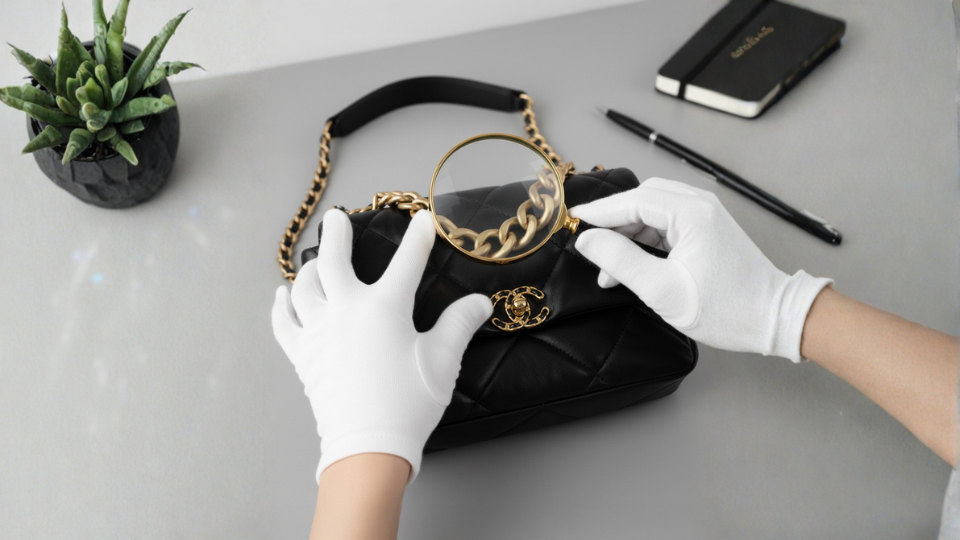
A leather handbag is more than an accessory. Whether it's a designer piece you've saved for or a pre-loved find that caught your eye, looking after it properly means enjoying it for years rather than watching it deteriorate. The good news is that leather care doesn't need to be complicated or intimidating. With the right approach and a little regular attention, you can keep your bags looking their best while protecting their condition and value.
Leather is a natural material, which means it responds to its environment. It can dry out, absorb stains, and show wear if neglected, but it also ages beautifully when cared for properly. The key is understanding what your bag needs and building simple habits into your routine. This guide walks you through everything from basic cleaning to tackling common problems, with practical advice you can put into action straight away.
Understanding Your Leather Type
Before reaching for any product, it helps to know what type of leather you're working with. Different leathers require different care, and using the wrong approach can cause more harm than good.
Smooth and Grained Leather
This includes calfskin, lambskin, and cowhide; the most common leathers used in designer bags. These respond well to gentle cleaning and conditioning at home. You'll recognise smooth leather by its even surface and slight sheen, while grained leather has a textured, pebbled appearance that helps hide minor scratches.
Suede and Nubuck
These soft, velvety leathers need completely different treatment. Never use water or standard leather cleaners on suede because it will cause permanent damage and watermarks. Instead, you'll need specialist brushes and erasers designed for napped leathers. Given the UK weather, suede bags benefit from protective spray before their first outing and careful storage on rainy days.
Patent Leather
The glossy, lacquered finish of patent leather requires minimal conditioning. In fact, using standard leather conditioners can damage the shiny surface. Patent cleans easily with a soft, slightly damp cloth but is prone to colour transfer from other materials, so storage requires extra care.
Vachetta and Untreated Leather
You'll often find vachetta on the handles and trim of certain designer bags. This pale, untreated leather is extremely absorbent and will darken naturally over time; a process called developing patina. While many collectors value this natural ageing, water and oils can cause uneven marks if the leather isn't protected before use.
Building Your Leather Care Kit
You don't need a cupboard full of products to look after your bags properly. A few well-chosen essentials will cover most situations:
Soft microfibre cloths – White or undyed cloths are best to avoid any risk of colour transfer during cleaning.
Leather-specific cleaner – Avoid household cleaning products, which can strip natural oils or leave damaging residue. Look for products formulated specifically for leather goods.
Leather conditioner – Choose one appropriate for your leather type. Conditioners designed for furniture or car seats may be too heavy for delicate handbag leather.
Acid-free tissue paper – For stuffing bags during storage and maintaining their shape.
A dust bag or cotton pillowcase – Every bag needs somewhere to rest when not in use. White cotton prevents colour transfer.
Silica gel packets – Useful for absorbing excess moisture, particularly in humid conditions or during long-term storage.
One important rule applies to every product: always test on an inconspicuous area first. The inside of a pocket or the underside of a strap works well. Wait for the test area to dry completely before proceeding with the rest of the bag.
How to Clean Your Leather Handbag
Regular cleaning prevents dirt from building up and becoming harder to remove. For smooth leather bags – the most common type – follow these steps for a thorough but gentle clean.
Preparing Your Bag
Start by emptying everything. Check every pocket and compartment, then turn the bag upside down and give it a gentle shake to dislodge any debris. For bags with fabric linings, a lint roller picks up dust and small particles effectively. If the lining pulls out, this makes the job easier.
Take a moment to check for any specific care labels or guidance from the manufacturer, particularly for designer pieces.
Cleaning the Exterior
Begin with a dry microfibre cloth, wiping down the entire surface to remove dust and loose dirt. For anything more than a light refresh, dampen your cloth slightly with warm water – it should be barely moist rather than wet.
If using a leather cleaner, apply it to your cloth rather than directly onto the bag. Work in gentle circular motions, paying particular attention to handles, corners, and areas that get touched frequently. These spots accumulate oils and dirt most quickly.
Wipe away any excess moisture immediately with a clean, dry cloth. Leather should never be left wet.
Cleaning the Interior
Fabric linings can harbour dust, crumbs, and forgotten receipts. If possible, turn the lining inside out and vacuum with a soft brush attachment, or use a lint roller thoroughly. For spot cleaning fabric linings, a slightly damp cloth with mild soap works well, but avoid saturating the fabric – excess moisture can seep through to the leather and cause damage.
Allow the interior to dry completely before closing the bag or returning it to use.
Conditioning the Leather
Conditioning replaces the natural oils that keep leather soft and prevents it from drying out and cracking. Wait until your bag is completely dry before this step.
Apply a small amount of conditioner to a soft cloth; less is more here. Work it across the entire surface in circular motions, ensuring even coverage. Let the conditioner absorb for 10 to 30 minutes, then buff with a clean dry cloth to remove any excess.
Allow the bag to rest for several hours before using it. This gives the leather time to absorb the conditioner fully without transferring onto clothing or other surfaces.
Tackling Common Leather Problems
Even with careful use, bags encounter the occasional mishap. Knowing how to respond quickly and appropriately makes all the difference.
Water Marks and Rain Damage
UK weather means rain is inevitable, but water needn't spell disaster. If your bag gets wet, blot excess moisture immediately with a clean, dry cloth, never rub, as this can spread the water and push it deeper into the leather.
Allow the bag to air dry naturally in a well-ventilated space, away from direct heat. Radiators, hairdryers, and sunny windowsills might seem like quick fixes, but direct heat causes leather to dry out, crack, and potentially warp.
Once completely dry, apply conditioner to restore moisture. If water marks persist despite this treatment, professional cleaning may be needed.
Denim and Colour Transfer
This is one of the most common complaints among bag owners, and light-coloured bags worn crossbody style are particularly vulnerable. The friction between your bag and dark jeans creates the ideal conditions for dye transfer.
If you spot colour transfer, act quickly. Fresh stains are far easier to address than ones that have had time to set. Use a leather cleaner with a soft cloth, working gently from the outside of the stain inward to avoid spreading it.
Prevention is genuinely worthwhile here. Applying a leather protector before first use creates a barrier that makes stains easier to remove. When wearing new dark denim, consider a longer top that sits between your bag and your jeans, or switch to a handheld style for the day.
Stubborn or set-in colour transfer typically needs professional treatment. Home attempts on old stains often make things worse.
Scratches and Scuffs
Surface scratches on smooth leather sometimes buff out with conditioning alone. Apply a small amount of conditioner and work it in with gentle circular motions using a soft cloth or even a clean fingertip. The warmth helps the product absorb and can minimise the appearance of light marks.
Deeper scratches that have broken through the leather's surface layer generally require professional colour restoration. Resist the temptation to over-condition in an attempt to fix them – this creates its own problems.
Lingering Odours
Bags absorb smells from their contents and environment. To address odours, clean both the interior and exterior thoroughly, focusing on handles and areas that absorb oils from hands.
Air the bag out in a well-ventilated space away from direct sunlight. Placing a small fabric pouch containing baking soda inside can help absorb stubborn smells – just remember to remove it before using the bag.
Persistent odours, particularly musty or mildew smells, often need professional treatment to resolve fully.
Ink and Stubborn Stains
Ink is notoriously difficult to remove from leather. If a pen leaks inside your bag, blot immediately and seek professional help as quickly as possible. Fresh ink stains have the best chance of removal; old ones are often permanent.
For oil and grease stains, avoid adding water, which can set the stain. Blot with a dry cloth and allow the area to rest. Sometimes the leather naturally releases oils over time; otherwise, professional cleaning is the safest option.
As a general rule, if you're unsure about a stain, professional assessment is worthwhile before attempting home treatment.
Storing Your Leather Bags Properly
How you store your bags matters as much as how you clean them. Poor storage causes misshapen bags, cracked leather, and problems like mould that are difficult to reverse.
Stuff your bag with acid-free tissue paper or soft, unprinted fabric to help it hold its shape. Avoid newspapers as the ink can transfer to the lining and leather. For structured bags, consider a bag shaper or pillow insert for extra support.
Always store bags in a fabric dust bag or a white cotton pillowcase. Never use plastic bags or airtight containers; leather needs airflow to prevent moisture buildup, which can lead to mould and mildew.
Choose a storage spot away from direct sunlight and heat sources. Sunny windowsills and spaces near radiators cause leather to fade, dry out, and crack over time.
Stand bags upright on their base rather than hanging them by their handles, which causes stretching. If space is tight, ensure handles can stand up without being squashed or bent.
For bags with metal hardware, wrapping clasps and zips in tissue paper prevents them from pressing into the leather and leaving marks during storage.
Finally, don't forget about your stored bags entirely. Air them out every few weeks to prevent mustiness, and check periodically for any signs of mould or deterioration.
Caring for Pre-Loved Leather Bags

Buying pre-loved means your bag arrives with its own history, which is part of its charm. However, giving it a gentle clean before you start using it makes sense. You'll remove any residue from previous products and start fresh with your own care routine.
Begin with the lightest approach; a wipe down with a barely damp cloth, followed by thorough drying. Assess the leather's condition before deciding on next steps. If it feels dry or stiff, a light application of conditioner will help restore suppleness.
Avoid the temptation to deep clean or heavily condition straight away. You don't know what products were used previously, and layering too many treatments can cause problems. Gentle and gradual is the safest approach.
Some pre-loved bags benefit from professional restoration, particularly if there's visible wear, colour fading, or stubborn marks. This investment often pays for itself in extended enjoyment of the piece. At KYM, our authentication process includes honest condition grading, so you know exactly what to expect and can plan care accordingly.
Part of the appeal of pre-loved bags is that they already carry character, usually with minor patina, softened leather, and other gentle signs of life. Proper care preserves this character while preventing further deterioration.
How Often Should You Clean and Condition?
The right frequency depends on how often you use your bag and what conditions it faces.
Daily use bags benefit from a light clean once a month and conditioning every two to three months. These bags work hard and encounter more dirt, oils, and environmental exposure.
Regular rotation bags used a few times each week can be cleaned every two to three months, with conditioning every four to six months.
Occasional use bags brought out for specific events need cleaning before and after each period of use, with conditioning once or twice a year.
Stored bags should be cleaned before they go into storage and again when you retrieve them, with conditioning applied before storage to protect the leather during its rest.
Watch for signs your leather needs attention between scheduled care sessions. Dullness, stiffness, or a rough texture all indicate the leather is drying out and would benefit from conditioning. Equally, avoid over-conditioning – too much product builds up on the surface and can leave leather sticky or attract more dirt.
Light-coloured bags may need more frequent attention simply because marks show more readily. And during winter months or extended rainy periods, checking bags for moisture damage more regularly is worthwhile.
When to Seek Professional Help
Home care handles most routine maintenance, but some situations call for professional expertise:
-
Deep or set-in stains, particularly ink or colour transfer that hasn't responded to gentle cleaning
-
Colour fading or uneven patina requiring restoration
-
Cracked or structurally damaged leather
-
Hardware that needs repair or replacement
-
Suede that has become matted, heavily soiled, or water-damaged
-
Mould or mildew, which can spread if not treated properly
-
Branded hardware on designer bags, which often requires specialist sourcing
UK-based services like KYM have established reputations for designer bag restoration and can assess what's possible for your particular piece. Professional treatment costs money, but for bags with significant value – financial or sentimental, it's often worthwhile.
Frequently Asked Questions
Can I use baby wipes to clean my leather bag?
This isn't recommended. Baby wipes contain chemicals, fragrances, and moisturisers that can damage leather, strip its natural oils, or leave residue that attracts dirt. Use products formulated specifically for leather instead.
How do I stop my jeans from staining my bag?
Light-coloured and crossbody bags are most vulnerable. Apply a leather protector before first use to create a barrier. Wearing longer tops creates physical separation between the bag and your jeans. If you notice a transfer, clean it immediately; fresh stains are much easier to remove.
Is it normal for leather to change colour over time?
Yes, particularly for vegetable-tanned and untreated leathers. This natural darkening, called patina, is considered desirable by many collectors. Consistent care helps patina develop evenly rather than in patches.
Can I store my leather bag in a plastic bag?
No. Leather needs to breathe, and plastic traps moisture, leading to mould, mildew, or dried-out leather. Use a fabric dust bag or a cotton pillowcase instead.
How do I know if my leather needs conditioning?
Signs include dullness, stiffness, a rough texture, or fine surface cracks. Well-conditioned leather feels supple and has a healthy appearance. When in doubt, a light application of conditioner applied sparingly is unlikely to cause harm.
Should I condition patent leather?
No. Patent leather has a protective coating that doesn't need traditional conditioning, and applying it can damage the glossy finish. Simply wipe the patent with a soft, slightly damp cloth to clean.
My bag got caught in the rain – what should I do?
Blot off excess water immediately with a clean cloth. Let the bag air dry naturally, away from direct heat or sunlight. Once completely dry, apply leather conditioner to restore moisture. Never use a hairdryer or place the bag near a radiator.

The information below is required for social login
Sign In
Create New Account